
How to taste candy like a perfumer
Top note, heart, finish. Borrowing a vocabulary from fragrance turns "that's nice" into something you can actually repeat in the kitchen.
Open the palate compassAn independent confectionery journal · Asheville, North Carolina
Issue No. 14 · The Botanical Edition
Sugarloom is a journal devoted to artisanal candies and lollipops — the copper kettles, the pulled ribbons, and the wild botanicals that turn plain sugar into something worth slowing down for. No checkout counters here. Just craft, curiosity and a very sticky spoon.

Chapter one
Six flavor studies from the current issue, pulled from our tasting notebooks. Filter by family to see how makers build a candy around one loud idea and a handful of quiet supporters.

The shelf
A tasting room shelf rotates with the calendar: citrus in high summer, spice and caramel when the windows fog. The jars are the index of the whole year.
Studio lifeStudy No. 01
Bright citrus peel lifted by a savory whisper underneath. The miso never announces itself — it just makes the yuzu taste more like yuzu.
Citrus · UmamiStudy No. 02
Wildflower honey finished over applewood, then cooled fast.
Toasty · FloralStudy No. 03
A soda-fountain classic with a dark-fruit backbone.
Fruity · Nostalgic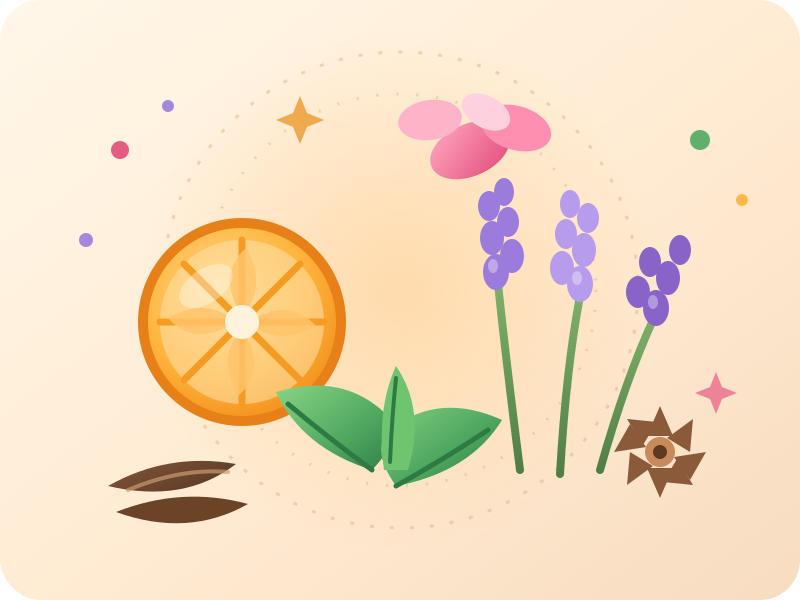
The pantry
Whole herbs, real zest, spent vanilla pods. Everything here goes into the pot within a day of arriving.
IngredientsStudy No. 04
Deep caramel with a praline finish and a savory edge.
Toasty · RichStudy No. 05
Petal-soft florals laid over jammy red fruit.
Floral · FruityStudy No. 06 · Flavor of the season
Steeped off the boil so the lavender stays cool instead of soapy, brightened with lemon oil at the very end, and finished with a single thyme sprig per batch. It tastes like a garden after rain, in the best possible way.
Floral · Herbal · CitrusChapter two
Every candy in this issue passed through the same four stages. The tools change from studio to studio; the discipline does not.
Cane sugar with a clean finish, fruit at the peak of its week, botanicals bought whole rather than powdered. Flavor is decided long before the stove is lit.
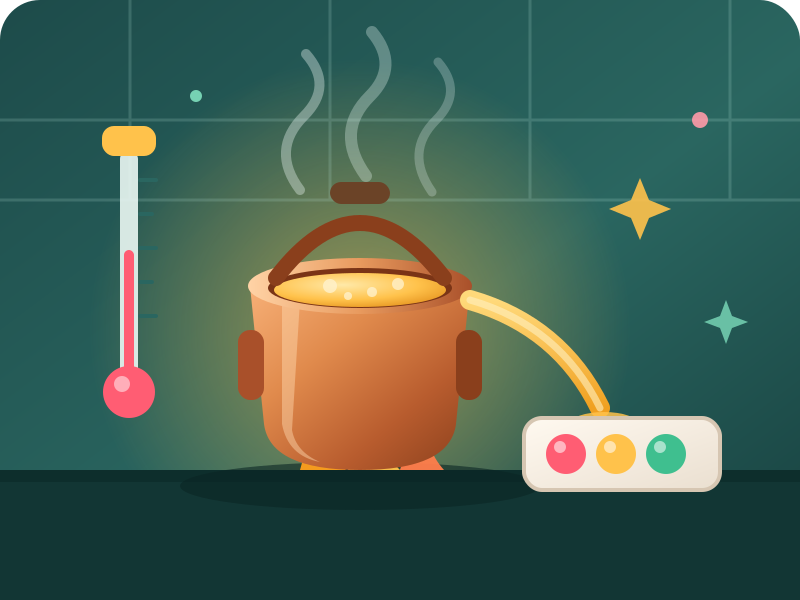
Copper holds heat evenly and forgives nothing. A thermometer clipped to the rim is the difference between a chew and a crack — usually about ten degrees.
Aeration turns translucent syrup into satin. Pull too early and it slumps; pull too late and it shatters. The window is roughly ninety seconds wide.
Cut, twist, wrap, taste. Every batch gets a broken piece set aside for the notebook, because the last check is always a human one.

Interactive No. 01
Six spokes, one wheel. Pick a flavor family on the ring and the notebook opens to its top notes, its companions and the sugar stage that suits it best.

Notebook entry
The loudest spoke on the wheel. Citrus oils sit on top of the sugar and evaporate first, so the very first second of a yuzu drop tells you almost everything about the batch.
Plays well with
Interactive No. 02
Before candy is candy, it is syrup at a temperature. Walk the six stages of the boil and watch the texture change — the distance between a chew and a crack is only a few degrees.
300°F
Hard crack
The lollipop stage. Nearly all the water is gone, so the cooled sugar sets into a clear, glassy sheet that shatters with a proper audible crack.
You will find it in
Chapter three
Longer reads from the current issue — technique, culture and the small histories hiding inside a candy wrapper.
Top note, heart, finish. Borrowing a vocabulary from fragrance turns "that's nice" into something you can actually repeat in the kitchen.
Open the palate compass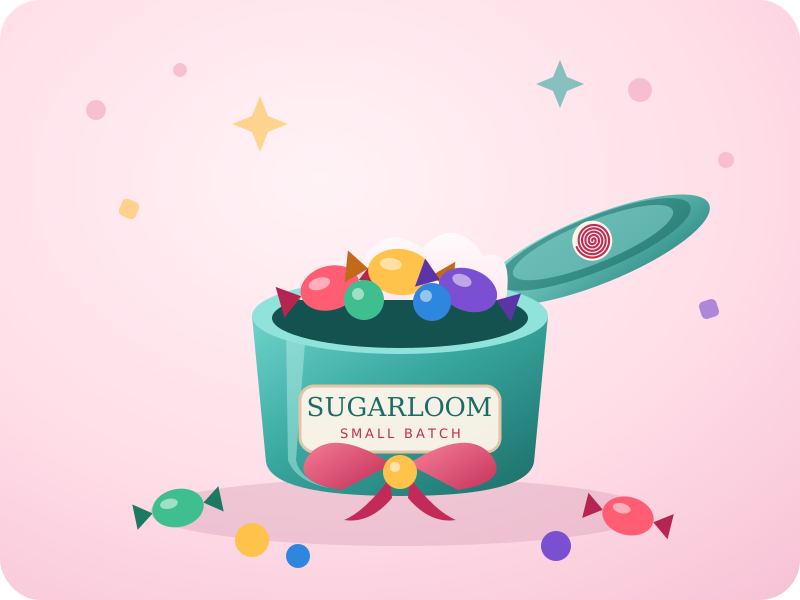
For a century the best part of a gift was the container. A short history of the tin on the shelf, and why makers are bringing it back.
Meet the journal
Two colors, one rope, and a ninety-second window. What actually happens between the marble slab and the finished spiral.
Read the four movesTell us about the candy you cannot stop thinking about — a market stall, a grandmother's tin, a lollipop from a trip you still remember. We read every note that reaches the desk.